
Dehydration is one of the most common and most overlooked health issues in everyday life. It doesn’t always look like someone collapsing from heat exhaustion. More often, it shows up quietly — as a headache, a dip in concentration, or that familiar 3pm energy crash.
Here’s what you need to know.
How dehydration actually happens
Your body loses water constantly — through breathing, sweating, urination, and even talking. Under normal conditions, drinking fluids and eating water-rich foods keeps everything balanced. But during illness, physical exertion, travel, or prolonged fasting, losses can outpace intake faster than you realise.
The symptoms most people miss
Severe dehydration — dry mouth, dizziness, no urination — is obvious. But mild to moderate dehydration is trickier. Watch for:
- Persistent headaches with no clear cause
- Difficulty concentrating or mental fog
- Fatigue that doesn’t improve with rest
- Muscle cramps, especially in the legs
- Dark yellow urine
- Irritability or low mood
Many people reach for coffee or painkillers when these symptoms appear, not realising the real fix is simply rehydrating properly.
Why plain water sometimes isn’t enough
When you lose fluids through sweat or illness, you’re not just losing water — you’re losing electrolytes. Replacing fluid without replacing electrolytes can leave your cells unable to absorb what you’re drinking efficiently. This is why someone recovering from food poisoning, a long flight, or an intense workout often needs more than just water.
Practical solutions
- Keep a water bottle visible on your desk — out of sight, out of mind is real
- Set a reminder on your phone to drink every 2 hours during busy workdays
- After exercise or illness, use an electrolyte-based product to restore balance quickly
- During Ramadan or extended fasting, prioritise fluid and electrolyte intake at sahur and iftar
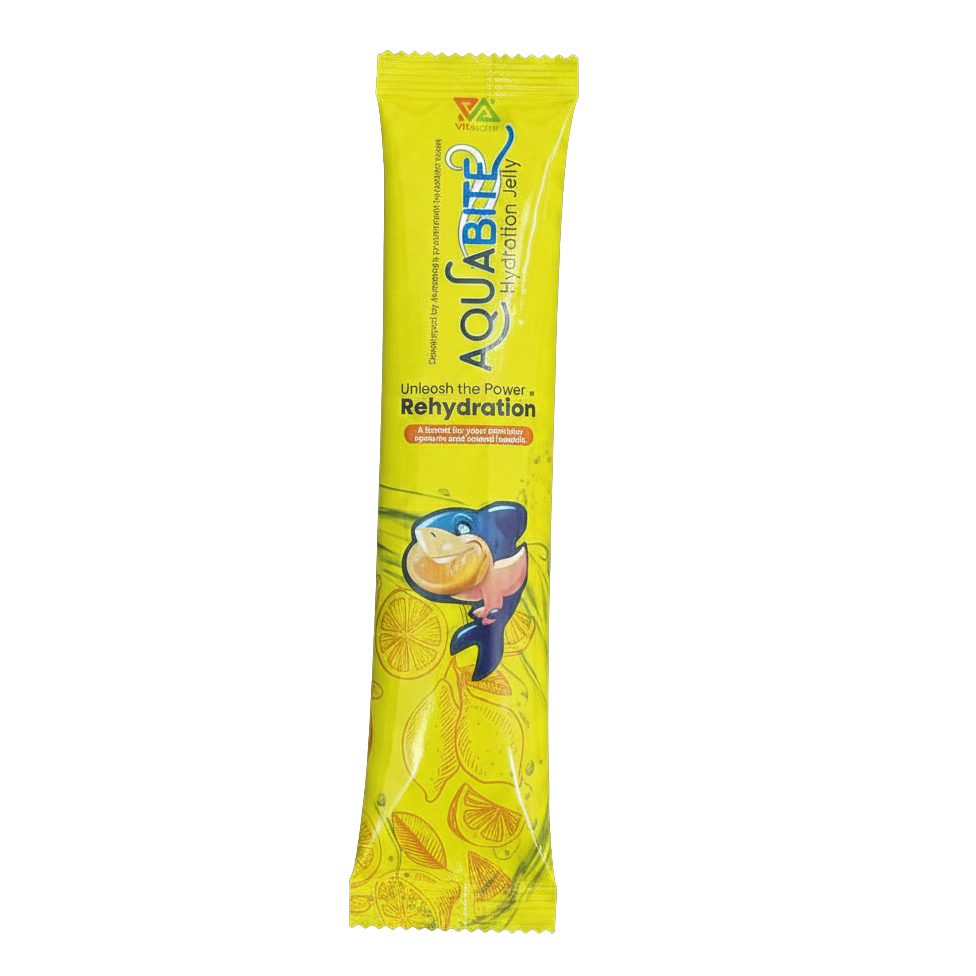
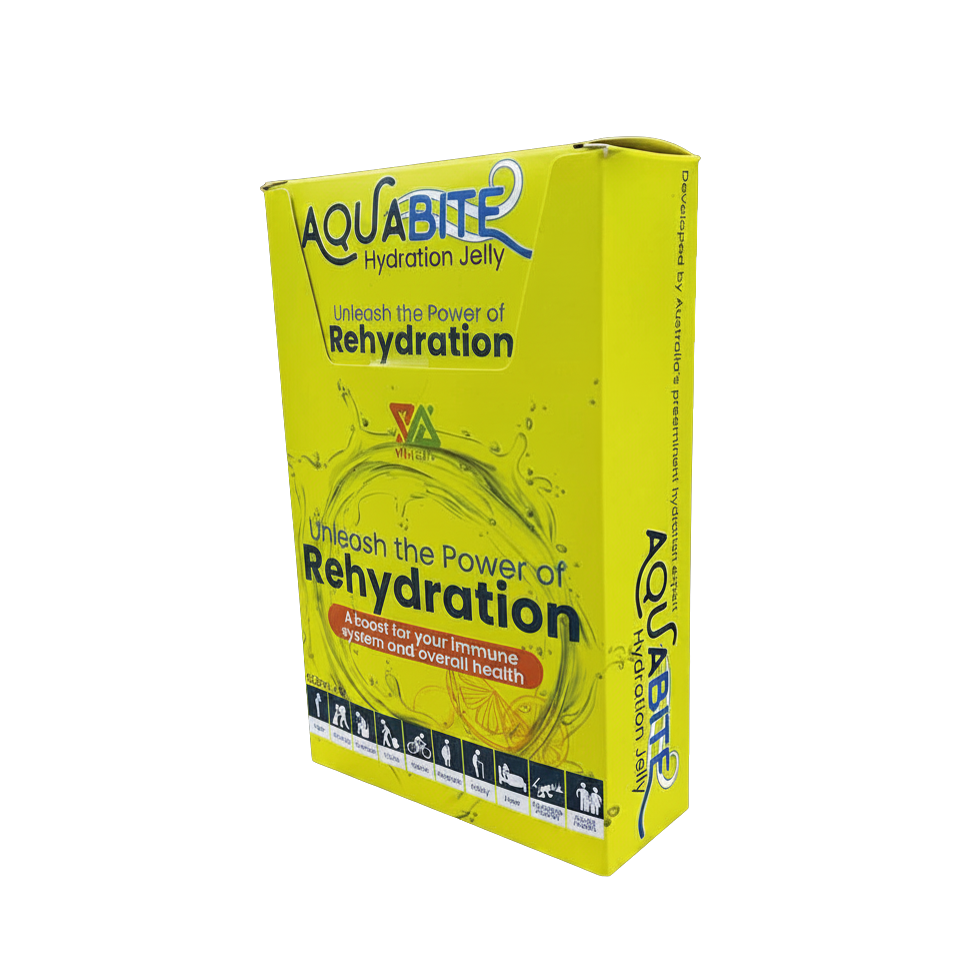
Aquabite Hydration Jelly is designed precisely for these moments — compact, no need for water to consume, and formulated to restore both fluids and electrolytes when your body needs it most.
Leave a Reply