
Healthcare workers are among the most dehydration-prone professionals in any industry. Long shifts, limited toilet breaks, PPE that raises body temperature, and the sheer pace of clinical environments all create conditions where personal hydration frequently falls to the bottom of the priority list.
Yet the evidence is clear — dehydration impairs cognitive performance, reaction time, and decision-making. For someone administering medication or assessing a patient, these are not small stakes.
Why healthcare workers are at higher risk
A nurse on a 12-hour ward shift may go 4 to 6 hours without a significant fluid break. Add PPE usage, a warm clinical environment, and the physical demands of patient care, and fluid losses can be substantial. The problem is compounded by the fact that many healthcare workers consciously limit fluid intake to avoid needing the toilet during busy periods — a habit that quietly builds a hydration deficit across the shift.
Recommendations for clinical settings
Keep hydration visible and accessible. A water bottle at the nurses’ station or beside a workstation serves as a constant prompt. Out of sight genuinely means forgotten.
Identify your natural break points. Even a 5-minute break between patient rounds is enough to rehydrate meaningfully. Build the habit of drinking during these windows rather than waiting until you feel thirsty.
Choose formats that work in your environment. Traditional drinks aren’t always practical — an open cup near clinical equipment, or a bottle that requires two hands, can feel impractical mid-shift. Compact hydration formats that can be consumed quickly and without preparation are more likely to actually get used.
Advising patients on hydration
When counselling patients — particularly the elderly, post-operative patients, or those managing chronic conditions — consider hydration as part of the recovery conversation. Mild dehydration is frequently overlooked as a contributing factor in fatigue, confusion in older patients, and slow recovery from illness.
Simple questions like “how much are you drinking daily?” and “what colour is your urine?” can surface hydration issues quickly and guide practical advice.
A note on electrolytes
For patients recovering from gastrointestinal illness, post-surgery, or managing conditions that affect fluid balance, plain water may be insufficient. Electrolyte-based hydration support — in formats that are easy to consume even when appetite is low — can make a meaningful difference to recovery speed and comfort.
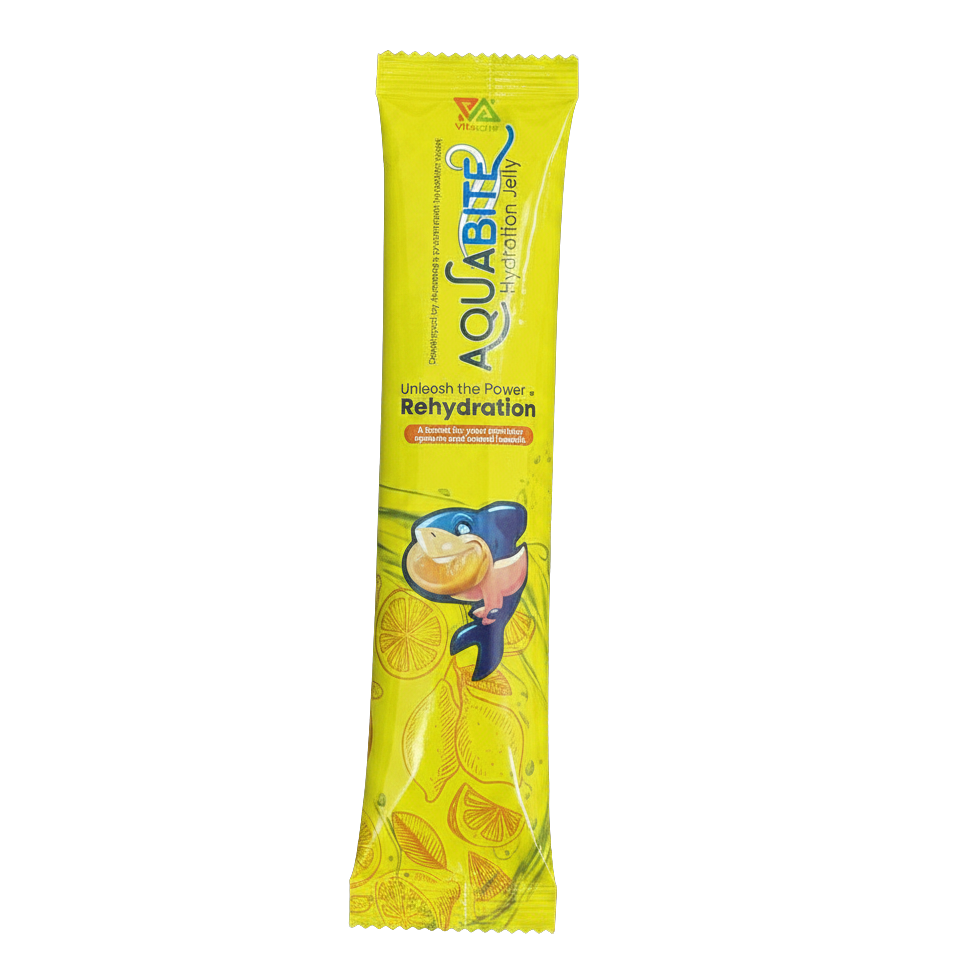
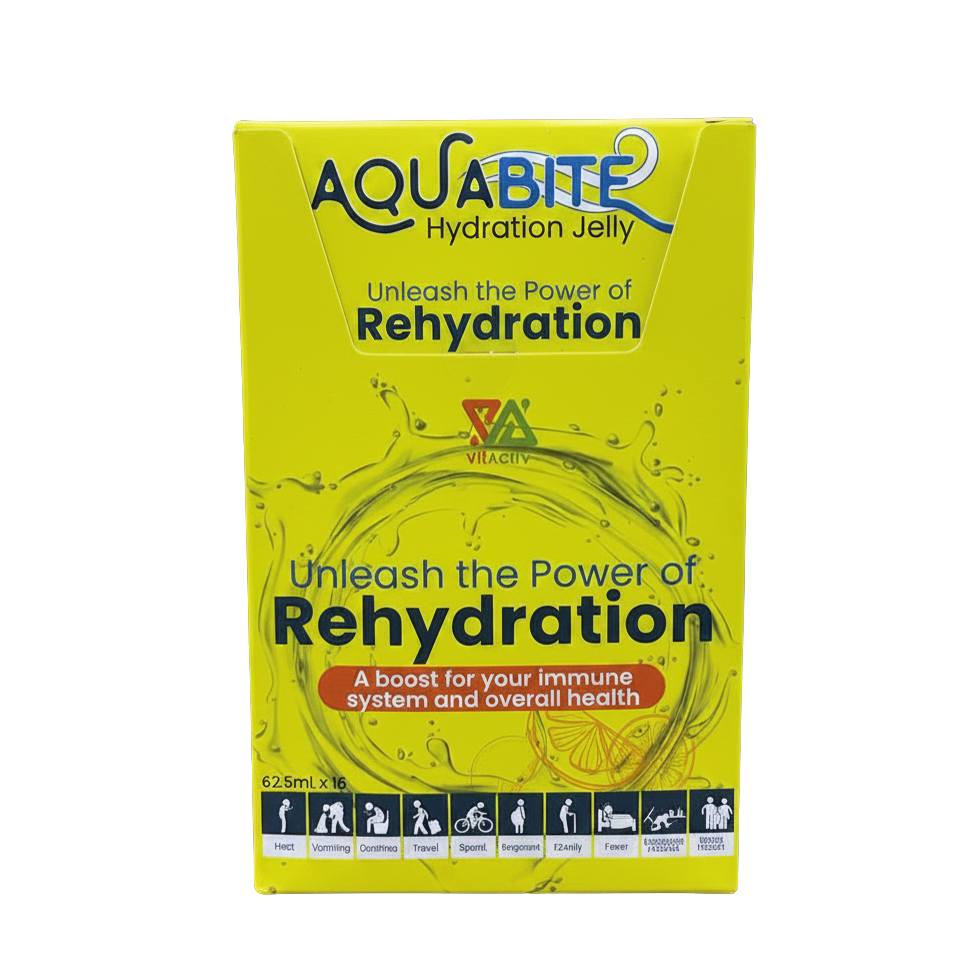
Aquabite Hydration Jelly was developed with exactly these use cases in mind: a format that works for healthcare environments, recovery settings, and patients who need hydration support without the bulk of a drink.
Leave a Reply